Boost Efficiency: Best Data Center System Administration Services for Superior Performance
Optimizing performance in data centers is necessary for organizations working to boost capability. Top Data Center Infrastructure Management (DCIM) services present essential capabilities for immediate tracking and analytics. Solutions from ServiceNow, Sunbird, Schneider Electric, and Nlyte prove superior in this environment. These services not only oversee resources but also streamline resource usage. Understanding how to identify the right DCIM solution can deliver significant progress. What elements should organizations assess to make an sound decision?
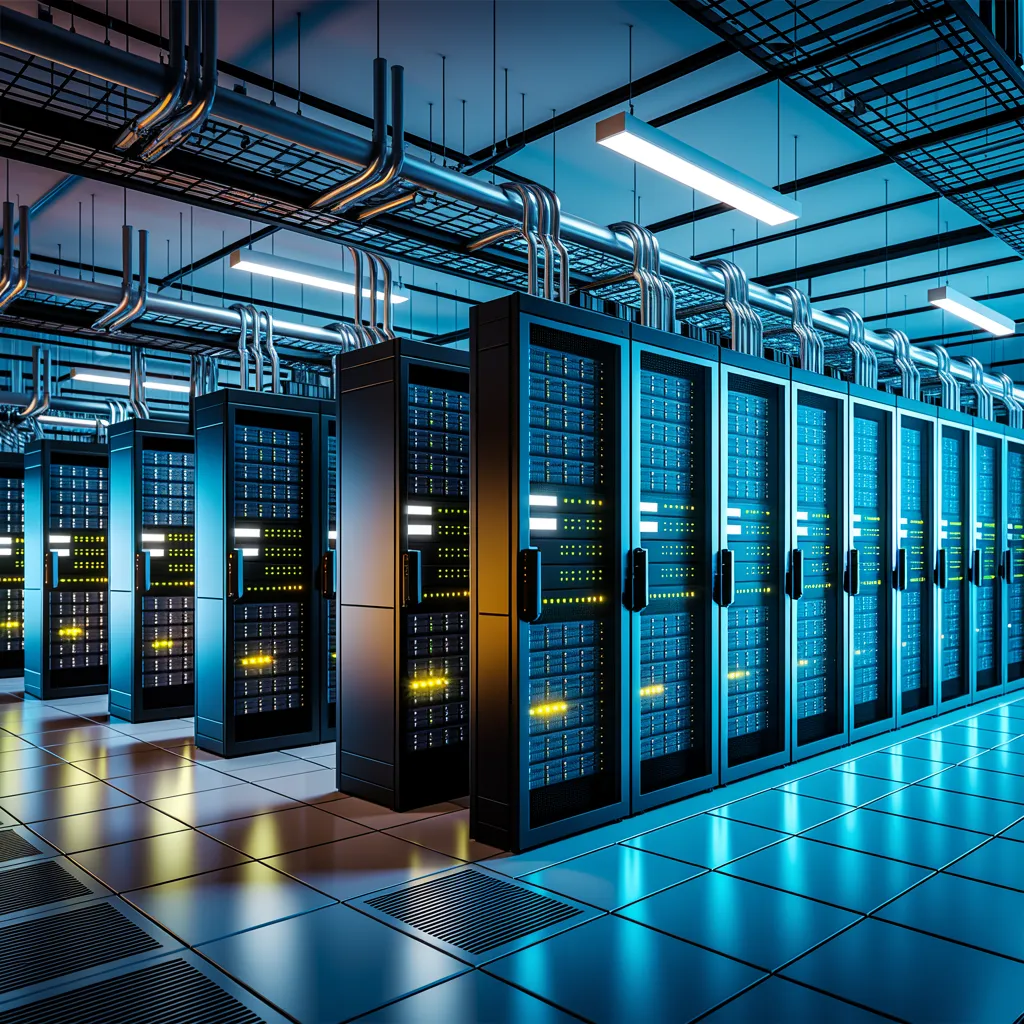
Top DCIM Services for 2023
As organizations more and more depend on data centers to facilitate their operations, determining the best Data Center Infrastructure Management (DCIM) solutions for 2023 becomes vital. Top-tier DCIM solutions provide thorough offerings designed to improve resource management, boost operational efficiency, and guarantee robust monitoring capabilities. Notable players in the market include ServiceNow, known for its integration capabilities, and Sunbird, which specializes in real-time visualization and reporting. Additionally, Schneider Electric provides a powerful platform for energy management and asset tracking.
Another key player, Nlyte, specializes in enhancing data center efficiency through advanced analytics. These services not only facilitate improved decision-making but also assist with predicting upcoming needs. As data requirements continue to grow, choosing a DCIM service that provides scalability and versatility is critical. Ultimately, organizations must assess their specific requirements to choose the most appropriate DCIM service, guaranteeing optimal performance and reliability in their data management strategies.
Learning about Data Center system administration (DCIM)
Data Center Infrastructure Management (DCIM) encompasses a collection of instruments and methodologies designed to oversee, control, and enhance data center resources. By integrating IT and facility management, DCIM delivers comprehensive insight into the efficiency and usage of essential systems. This approach enables immediate information gathering, enabling operators to make informed decisions regarding energy consumption, cooling efficiency, and space utilization.
DCIM offerings commonly deliver features such as resource tracking, growth planning, and environmental monitoring, which in concert bolster productivity. They furnish data center managers to identify problem areas, enhance procedures, and decrease overhead expenses. Also, DCIM supports tactical planning for upcoming growth and assists source entities to meet regulatory standards. By embracing successful DCIM practices, data centers can secure superior stability, enhanced eco-friendliness, and heightened total output, finally contributing to enhanced service delivery in a swiftly advancing digital landscape.
Key Attributes for Picking Powerful DCIM Solutions
Selecting effective Data Center Infrastructure Management (DCIM) solutions demands careful evaluation of essential features that improve operational efficiency and resource management. Key attributes include immediate monitoring features, allowing instant visibility into power usage and environmental conditions. Integration with current infrastructure is also essential, as smooth data exchange fosters a cohesive strategy to data management.
Scalability functions as an important feature, allowing organizations to adjust as their infrastructure grows and changes. Sophisticated analysis tools can offer forecasting intelligence, facilitating proactive decision-making and minimizing downtime. User-friendly interfaces enhance accessibility for various stakeholders, while robust security measures safeguard sensitive data.
At last, customization options warrant that DCIM services can be tailored to meet targeted operational goals. By emphasizing these core functionalities, firms can select DCIM services that not only streamline operations but also contribute to perpetual development and operational success.
Finding the Right DCIM Solution Tailored to Your Organization?
How might an institution ascertain the best DCIM solution tailored to its individualized needs? The evaluation process begins with a thorough assessment of existing framework and routine requirements. Organizations should identify defined goals, such as improving uptime, improving resource utilization, or optimizing capacity planning. Additionally, evaluating scalability is essential; a solution must adapt to prospective growth and modern advancements.
Subsequently, organizations must assess integration options. The ideal DCIM solution should integrate seamlessly with existing tools and platforms. Usability also is important; intuitive interfaces enhance user uptake and operational efficiency.
Furthermore, organizations should research vendor support and community involvement, as ongoing assistance and resources can be significant. Ultimately, performing a financial evaluation guarantees that the chosen solution complies with financial limitations while delivering the anticipated value. By following these steps, companies can securely select a DCIM platform that satisfies their particular requirements and improves overall performance.
Using DCIM Solutions to Improve Power Consumption
Deploying DCIM solutions can greatly improve energy efficiency within data centers. Through providing comprehensive insights into power consumption and thermal dynamics, these tools enable operators to identify inefficiencies and refine resource allocation. With up-to-the-minute information on energy usage, data center managers can make well-informed decisions about equipment placement and cooling approaches, ensuring that energy is not wasted.
DCIM offerings also streamline automation in monitoring and managing power loads, allowing for strategic modifications based on current demand. This agility can lead to substantial savings in energy costs. In addition, advanced analytics within DCIM tools can reveal areas for further advancement, fostering proactive strategies rather than reactive interventions.
Incorporating these solutions into daily operations builds a culture of continuous improvement, ultimately pushing toward a eco-friendlier data center infrastructure. The consequence is not merely greater productivity but also a reduced carbon footprint, aligning with comprehensive sustainability targets.
Continuous Oversight : The Fundamental Support of DCIM Success
Real-time supervision represents a fundamental element in the triumph of Data Center Infrastructure Management (DCIM). By supplying boosted performance statistics, it allows anticipatory problem discovery and optimization of resource consumption. This trait ultimately supports increased operational productivity and steadiness within data centers.
Enhanced Performance Measurements
Tracking infrastructure facility operational metrics is vital for boosting performance and preserving dependability. Advanced operational metrics supply essential intelligence into various infrastructure elements, including energy efficiency metrics, cooling system efficiency, and capacity planning. By utilizing real-time data, businesses can review their infrastructure's performance and flexibility, supporting strategic decision-making. Metrics including server availability, latency metrics, and data flow support detect new trends and determine expansion requirements. Furthermore, these measurements strengthen responsibility culture across departments, informing strategic direction and capital allocation. Regular evaluation of operational data supports not only benchmarking to industry best practices while encourages an environment of perpetual advancement. In the end, advanced operational indicators function as a key basis of effective infrastructure management approaches, generating both operational superiority and market differentiation.
Proactive Concern Recognition
Proactive problem identification is essential in maintaining the integrity of data center operations. By utilizing real-time monitoring tools, data centers can identify potential problems before they escalate into critical failures. This approach allows teams to respond swiftly to anomalies in temperature, power consumption, and system functionality. Ongoing monitoring guarantees that any deviations from established norms are flagged right away, permitting for timely interventions. As a result, the overall reliability of the infrastructure is enhanced, minimizing service interruptions and preserving service quality. Moreover, preventive identification contributes to informed decision-making regarding maintenance schedules and resource allocation, eventually optimizing operational efficiency. Investing in comprehensive tracking systems is vital for supporting optimal functioning in modern complex data settings.
Resource Employment Optimization
Skilled oversight of a data center's resources is contingent on the ability to perpetually evaluate and track operational metrics. Real-time monitoring functions as the base for bolstering resource utilization, granting data center managers to identify inefficiencies and provision assets effectively. By harnessing advanced DCIM tools, organizations can procure essential information on power consumption, cooling efficiency, and workload distribution. This data allows for more prudent decision making, ensuring that resources are optimized to their fullest potential. Additionally, real-time analytics facilitate immediate responses to changing demands, minimizing waste and enhancing overall performance. Ultimately, effective resource utilization optimization not only improves operational efficiency but also promotes sustainability goals, making it a fundamental component of modern data center management strategies.
Emerging Patterns in Data Center Infrastructure Management
As data centers expand to address rising needs for efficiency and effectiveness, developing patterns in Data Center Infrastructure Management (DCIM) are revolutionizing the marketplace. One prominent trend is the adoption of machine learning technology (AI) and intelligent algorithms, which strengthens forecasting capabilities for resource planning and power efficiency. These tools enable continuous monitoring and self-correcting responses to potential difficulties, substantially reducing downtime.
Additionally, the adoption of edge computing is driving a shift in DCIM strategies, as businesses seek to process data closer to its source for enhanced speed and performance. This demands advanced control systems to sustain performance across dispersed environments.
Sustainability remains at the vanguard, focusing on reducing carbon footprints and optimizing how resources are consumed. Lastly, the growth of hybrid cloud solutions calls for more sophisticated DCIM systems capable of smoothly handling both on-premises and cloud resources, guaranteeing the highest operational efficiency.
Popular Queries That Are Asked
What Are The Steps To integrate DCIM With Existing Data Center Infrastructure?
To link DCIM with existing data center systems, one needs to analyze current infrastructure, ensure compatibility, enable APIs for data exchange, and conduct thorough testing to verify seamless operation and improved management capabilities across platforms.
What Is the Mean Expense of Putting Into Action DCIM Solutions?
DCIM solution installation generally spans from $20,000 to $150,000 in expense, shifting according to the data center magnitude, infrastructure complexity, and the targeted capabilities required to ensure optimal management.
Do certain compliance standards exist for DCIM Services?
Yes, there are particular regulatory requirements for DCIM services, such as ISO 27001 for information security, PCI DSS for payment card industry standards, and multiple environmental guidelines that guide power consumption optimization and sustainability practices within data centers.
What Frequency Ought to I Update My DCIM Software?
DCIM software should be refreshed at least every year, though quarterly upgrades are suggested to ensure peak efficiency, fortified security, and adherence with current requirements. Regular evaluations help identify when updates are necessary for specific business demands.
Are DCIM Tools Beneficial for Emergency Preparedness Development?
DCIM tools provide considerable help in emergency preparedness strategy through real-time monitoring, asset management, and contingency modeling. This makes certain that data centers are adequately prepared for potential disruptions, improving overall resilience and recovery strategies.