Maximize Performance: Leading Data Center Facility Operations Services for Optimal Performance
Optimizing performance in data centers is necessary for organizations striving to boost performance. Top Data Center Infrastructure Management (DCIM) services furnish essential capabilities for immediate tracking and analytics. Solutions from ServiceNow, Sunbird, Schneider Electric, and Nlyte demonstrate excellence in this environment. These services not only supervise assets but also refine resource deployment. Understanding how to identify the right DCIM solution can achieve significant improvements. What elements should organizations examine to make an strategic choice?
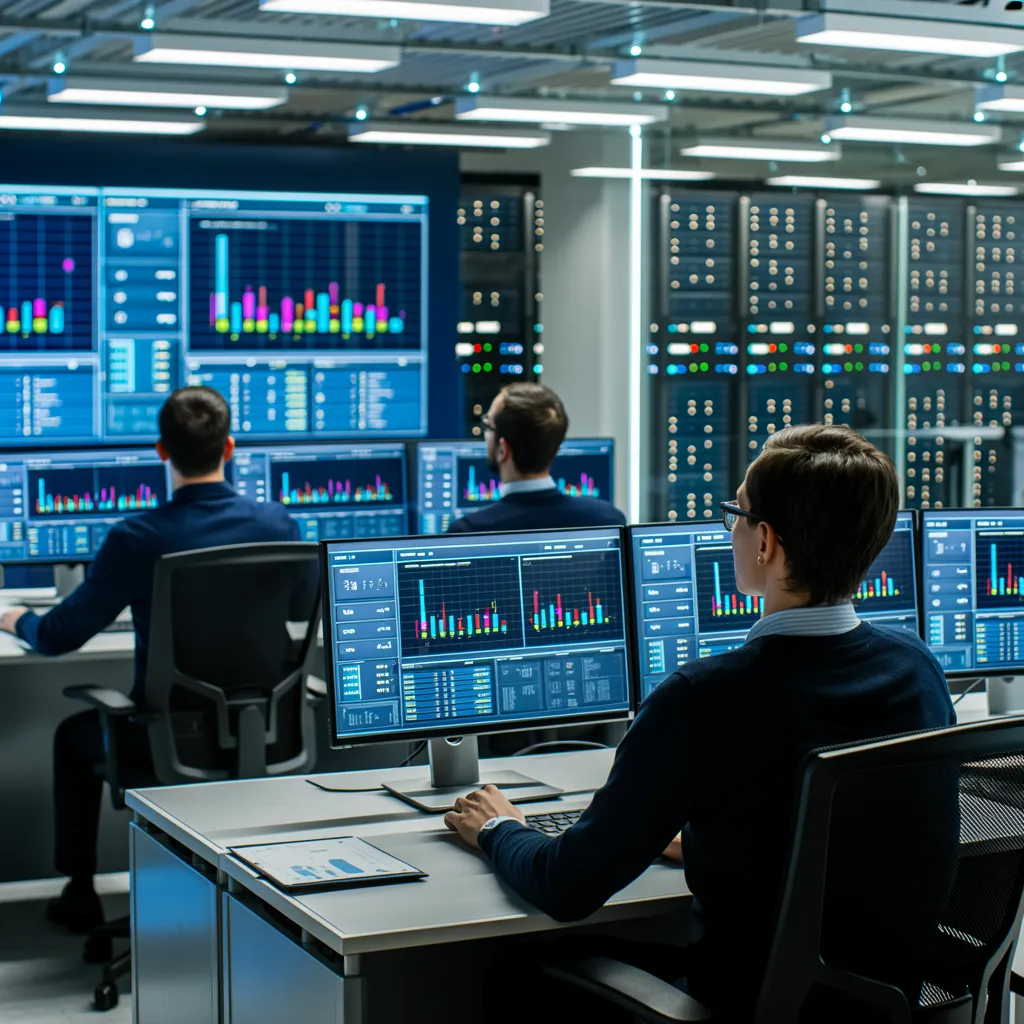
Premium DCIM Solutions for 2023
As institutions increasingly rely on data centers to back their undertakings, identifying the best Data Center Infrastructure Management (DCIM) tools for 2023 remains vital. Leading DCIM tools offer extensive solutions meant to enhance resource management, improve operational efficiency, and confirm robust monitoring capabilities. Notable candidates in the market include ServiceNow, acclaimed for its integration capabilities, and Sunbird, which demonstrates excellence in real-time visualization and reporting. Additionally, Schneider Electric supplies a powerful platform for energy management and asset tracking.
Another key player, Nlyte, specializes in improving data center efficiency through advanced analytics. These solutions not only facilitate improved strategic choices but also assist with predicting upcoming needs. As data requirements continue to increase, choosing a DCIM service that provides scalability and adaptability is critical. Ultimately, companies must evaluate their particular needs to select the most suitable DCIM service, ensuring peak efficiency and dependability in their data administration strategies.
Exploring Data Center system Management (DCIM)
Data Center Infrastructure Management (DCIM) covers a suite of tools and practices intended to monitor, manage, and optimize data center assets. By integrating IT and infrastructure oversight, DCIM provides thorough visibility into the performance and utilization of critical assets. This approach facilitates real-time data collection, enabling operators to take knowledge-based actions regarding power usage, temperature management effectiveness, and area allocation.
DCIM implementations typically supply capabilities including asset tracking, resource planning, and environmental monitoring, which together elevate operational efficiency. They allow facility operators to spot bottlenecks, streamline workflows, and reduce financial burden. Moreover, DCIM enables strategic planning for future expansions and allows businesses to comply with legal requirements. By executing proven DCIM techniques, data centers can accomplish better dependability, improved sustainability, and substantial overall performance, therefore fostering superior support services in a rapidly evolving digital landscape.
Vital Traits for Identifying Top-notch DCIM Solutions
Choosing effective Data Center Infrastructure Management (DCIM) solutions demands careful evaluation of essential features that improve performance and resource management. Important attributes include real-time tracking capabilities, allowing immediate visibility into energy consumption and environmental conditions. Integration with existing infrastructure is also vital, as seamless data exchange fosters a unified strategy to data management.
Scalability is an important characteristic, enabling organizations to adjust as their infrastructure expands and evolves. Advanced analytics can deliver predictive insights, supporting proactive decision-making and minimizing downtime. User-friendly interfaces enhance accessibility for multiple users, while strong protective protocols protect sensitive data.
Ultimately, flexibility settings assure that DCIM services can be customized to meet specific organizational needs. By highlighting these essential features, businesses can select DCIM services that not only improve operations but also contribute to long-term sustainability and organizational achievement.
Finding the Perfect DCIM Tool Tailored to Your Organization?
What approach can an organization use to select the best DCIM solution adapted to its distinct needs? The decision-making process begins with a detailed review of present framework and functional requirements. Organizations should pinpoint concrete goals, such as improving uptime, enhancing resource allocation, or fine-tuning capacity planning. Additionally, evaluating growth potential is vital; a solution must respond to forthcoming growth and technological advancements.
Next, companies must consider integration features. The ideal DCIM solution should seamlessly work with current systems and applications. Ease of use also plays a crucial part; user-friendly designs promote user adoption and operational performance.
Furthermore, companies should research vendor support and community engagement, as continuous support and resources can be significant. In conclusion, performing a cost-benefit analysis ensures that the selected option complies with financial limitations while delivering the expected benefits. By adhering to these procedures, organizations can read the facts confidently select a DCIM platform that satisfies their particular requirements and enhances general efficiency.
Applying DCIM Instruments to Increase Power Optimization
Leveraging DCIM tools can markedly boost energy efficiency within data centers. By providing thorough insights into power consumption and thermal dynamics, these tools enable operators to identify inefficiencies and enhance resource allocation. With real-time data on energy usage, data center managers can reach informed determinations about equipment placement and cooling strategies, guaranteeing that energy is not wasted.
DCIM solutions also enable automated control over power loads, allowing for dynamic adjustments based on current demand. This adaptability can lead to substantial decreases in energy costs. In addition, sophisticated analysis features within DCIM tools can identify areas for further improvement, encouraging preventive strategies rather than reactive fixes.
Combining these resources into daily operations encourages a ethos of sustained betterment, ultimately yielding a more sustainable data center environment. The result is not simply streamlined performance but also a lessened carbon emissions, adhering with broader environmental goals.
Continuous Monitoring : The Fundamental Support of DCIM Achievement
Real-time oversight plays as a key requirement in the success of Data Center Infrastructure Management (DCIM). By offering superior performance measurements, it allows preventative identification and optimization of resource utilization. This functionality ultimately supports improved operational excellence and reliability within data centers.
Advanced Performance Data
Assessing infrastructure system operational status constitutes an urgent requirement for enhancing performance levels and securing long-term stability. Advanced operational benchmarks convey important analytical insights concerning multiple operational sectors, incorporating energy consumption standards, thermal regulation success, and equipment allocation. Via tapping into streaming data sources, corporate entities can gauge their system durability and responsiveness, enabling data-driven decisions. Monitoring indicators like server accessibility, system latency, and processing throughput prove useful in pattern identification and establishing resource forecasts. Simultaneously, these indicators foster organizational responsibility, shaping investments and long-term planning. Persistent performance analysis of operational metrics assists with external comparison versus standard metrics and nurtures a framework for continuous advancement. At its foundation, superior performance indicators function as a foundational basis in strong data center management, generating operational excellence and competitive advantage.
Proactive Problem Discovery
Proactive concern identification matters significantly in upholding the robustness of data center operations. By employing real-time monitoring tools, data centers can identify potential problems ahead of deterioration into critical failures. This framework enables teams to react swiftly to unexpected variations in temperature, power consumption, and equipment performance. Relentless monitoring secures that any shifts from accepted benchmarks are flagged immediately, allowing for timely interventions. As a result, the overall robustness of the infrastructure is boosted, minimizing downtime and protecting service quality. Moreover, early identification contributes to data-driven choices regarding upkeep planning and resource allocation, fundamentally refining operational efficiency. Dedicating funds in powerful surveillance technology is non-negotiable for sustaining peak performance in today's complex data environments.
Material Application Advancement
Competent administration of a data center's resources depends on the capacity to regularly monitor and evaluate operational metrics. Real-time tracking establishes the bedrock for enhancing resource utilization, empowering data center managers to identify inefficiencies and allocate assets effectively. By adopting advanced DCIM tools, organizations can gather essential information on power consumption, cooling efficiency, and workload distribution. This data enables for more informed decision-making, ensuring that resources are utilized to their fullest potential. Additionally, real-time analytics promote immediate responses to changing demands, minimizing waste and enhancing overall performance. Ultimately, effective resource utilization optimization not only strengthens operational efficiency but also furthers sustainability goals, making it a indispensable component of modern data center management strategies.
Upcoming Developments in Data Center Facility Management
As computational hubs mature to respond to increasing requirements for optimization and performance, novel shifts in Data Center Infrastructure Management (DCIM) are recasting the terrain. One notable trend is the integration of machine learning systems (AI) and machine learning, which enhances predictive analytics for capacity forecasting and power optimization. These platforms enable real-time monitoring and self-executing corrections to potential issues, materially reducing interruptions.
Additionally, the implementation of edge computing is propelling a shift in DCIM approaches, as companies aim to process data closer to its source for enhanced speed and performance. This demands advanced control systems to sustain performance across dispersed environments.
Sustainability continues to be at the vanguard, emphasizing cutting carbon footprints and better resource consumption. In conclusion, the increase of hybrid cloud solutions requires more complex DCIM systems that can effortlessly manage both on-premises and cloud resources, ensuring peak operational efficiency.
Popular Questions That Are Asked
How Can I connect DCIM With Current Data Center Systems?
To link DCIM with existing data center systems, one needs to assess current infrastructure, ensure compatibility, activate APIs for data exchange, and conduct thorough testing to verify seamless operation and improved management capabilities across platforms.
What Is the Average Cost of Deploying DCIM Solutions?
The expenditure for rolling out DCIM solutions often falls between $20,000 and $150,000, subject to the data center's proportions, the complexity of the infrastructure, and the requisite functionalities for ideal management.
Do certain compliance standards apply for DCIM Services?
Yes, there are particular regulatory requirements for DCIM services, including ISO 27001 for data protection, PCI DSS for payment data security, and multiple environmental guidelines that direct energy efficiency and eco-friendly operations within data centers.
What Interval Should I Update My DCIM Software?
DCIM software modifications should be performed at least annually, though three-month interval updates are recommended to guarantee maximum performance, security improvements, and compliance with developing standards. Periodic reviews help recognize when updates are essential for unique organizational needs.
Are DCIM Platforms Useful for Emergency Preparedness Planning?
DCIM tools can significantly assist in disaster recovery planning by providing real-time monitoring, asset management, and scenario simulations. This guarantees that computing facilities are prepared for potential disruptions, enhancing overall stability and recovery strategies.