Improve Efficiency: Excellence in Data Center Infrastructure Management Services for Excellent Performance
Improving efficiency in data centers is needed for organizations attempting to strengthen performance. Top Data Center learn the details Infrastructure Management (DCIM) services present vital solutions for live monitoring and metrics. Solutions from ServiceNow, Sunbird, Schneider Electric, and Nlyte differentiate themselves in this marketplace. These services not only catalog assets but also perfect resource utilization. Understanding how to decide on the right DCIM solution can result in significant benefits. What points should organizations deliberate to make an prudent choice?
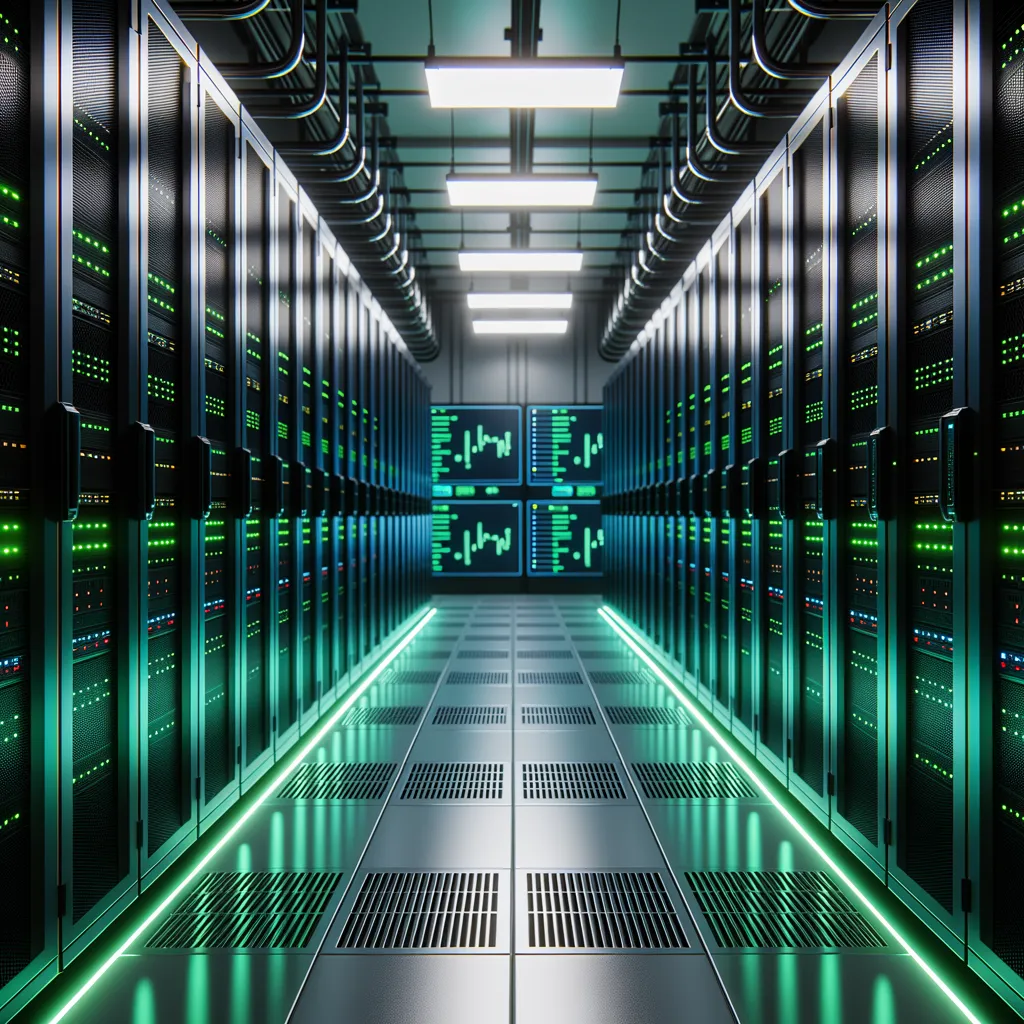
Leading DCIM Solutions for 2023
As organizations increasingly rely on data centers to support their operations, identifying the top Data Center Infrastructure Management (DCIM) solutions for 2023 becomes vital. Leading DCIM solutions provide comprehensive offerings designed to enhance resource management, boost operational efficiency, and guarantee robust monitoring capabilities. Notable contenders in the market include ServiceNow, known for its integration capabilities, and Sunbird, which specializes in real-time visualization and reporting. Additionally, Schneider Electric delivers a powerful platform for energy management and asset tracking.
Another key player, Nlyte, focuses on enhancing data center performance through advanced analytics. These services not only enable improved decision-making but also help in predicting upcoming needs. As data demands continue to grow, choosing a DCIM service that provides flexibility and versatility is critical. Ultimately, organizations must assess their particular requirements to choose the most appropriate DCIM service, ensuring optimal performance and dependability in their data administration strategies.
Exploring Data Center Infrastructure administration (DCIM)
Data Center Infrastructure Management (DCIM) includes a suite of tools and methodologies intended to monitor, manage, and optimize data center resources. By integrating IT and infrastructure oversight, DCIM delivers comprehensive insight into the performance and utilization of essential systems. This method enables real-time data collection, allowing operators to make informed decisions regarding energy consumption, cooling efficiency, and area allocation.
DCIM solutions typically provide features such as asset tracking, resource allocation, and climate control assessment, which together enhance operational efficiency. They enable facility administrators to detect constraints, optimize processes, and reduce operational costs. Additionally, DCIM facilitates long-term preparation for growth initiatives and assists organizations meet regulatory standards. By implementing robust DCIM methodologies, data centers can attain greater dependability, improved sustainability, and superior operational excellence, ultimately contributing to enhanced service delivery in a fast-changing digital landscape.
Vital Qualities for Identifying Top-notch DCIM Solutions
Choosing effective Data Center Infrastructure Management (DCIM) solutions demands careful evaluation of critical features that enhance performance and resource management. Important characteristics include real-time monitoring capabilities, enabling instant insight into energy consumption and environmental conditions. Integration with existing infrastructure is also essential, as smooth data exchange promotes a cohesive strategy to data management.
Scalability functions as another significant feature, allowing organizations to adapt as their infrastructure grows and changes. Sophisticated analysis tools can offer predictive insights, supporting strategic planning and minimizing downtime. User-friendly interfaces improve accessibility for multiple users, while robust security measures protect sensitive data.
At last, customization options warrant that DCIM services can be tailored to meet targeted operational goals. By focusing on these essential features, businesses can select DCIM services that not only streamline operations but also enable perpetual development and operational success.
Finding the Perfect DCIM Tool Tailored to Your Organization?
How might an institution ascertain the best DCIM solution tailored to its individualized needs? The selection process initiates with a meticulous assessment of installed infrastructure and routine requirements. Organizations should identify specific goals, such as improving uptime, improving resource efficiency, or optimizing capacity planning. Additionally, reviewing flexibility is important; a solution must conform to prospective growth and modern advancements.
Subsequently, organizations must assess integration capabilities. The ideal DCIM solution should work smoothly with existing tools and platforms. User-friendliness also is important; straightforward interfaces enhance user adoption and operational efficiency.
Additionally, organizations should explore vendor support and community engagement, as ongoing assistance and resources can be important. In the end, completing a return on investment analysis ensures that the picked option matches with budget constraints while delivering the expected returns. By implementing these steps, businesses can assuredly select a DCIM solution that meets their specific demands and enhances overall performance.
Leveraging DCIM Systems to Boost Electrical Performance
Deploying DCIM tools can significantly enhance energy efficiency within data centers. Through supplying extensive insights into power consumption and thermal dynamics, these tools enable operators to identify inefficiencies and refine resource allocation. With up-to-the-minute data on energy usage, data center managers can make well-informed decisions about server placement and cooling strategies, ensuring that energy is not wasted.
DCIM platforms also support automation in monitoring and managing power loads, allowing for flexible modifications based on current demand. This adaptability can lead to major decreases in energy costs. In addition, advanced analytics within DCIM tools can detect areas for further enhancement, supporting forward-thinking approaches rather than reactive solutions.
Integrating these solutions into daily operations cultivates a environment of ongoing enhancement, ultimately leading to a greener data center environment. The outcome is not just enhanced efficiency but also a lower environmental impact, conforming with broader environmental goals.
Immediate Monitoring : The Essential Base of DCIM Excellence
Real-time surveillance functions as a crucial factor in the achievement of Data Center Infrastructure Management (DCIM). By presenting sophisticated performance indicators, it permits active problem detection and refinement of resource utilization. This ability ultimately produces better operational effectiveness and stability within data centers.
Advanced Operational Data
Monitoring data center performance is critical for optimizing efficiency and maintaining dependability. Enhanced performance metrics deliver critical insights into various operational aspects, including power usage effectiveness, cooling efficiency, and capacity distribution. By utilizing live analytics, enterprises can assess their infrastructure's health and responsiveness, enabling informed decision-making. Metrics such as system availability, response time, and data transfer rate help recognize patterns and assess capacity needs. Additionally, these metrics promote responsibility among teams, guiding strategic planning and investments. Continuous analysis of performance data helps in comparing with sector benchmarks but also facilitates a culture of continuous enhancement. Ultimately, improved operational indicators serve as a foundational element of effective Data Center Infrastructure Management, delivering both operational excellence and competitive advantage.
Proactive Concern Identification
Proactive issue detection serves a critical purpose in upholding the stability of data center operations. By employing real-time monitoring tools, data centers can identify potential problems prior to escalation into critical failures. This strategy allows teams to respond rapidly to irregularities in heat levels, energy usage, and equipment performance. Ongoing monitoring confirms that any variations from established norms are marked promptly, enabling for immediate response. As a result, the overall dependability of the framework is strengthened, decreasing service interruptions and safeguarding service excellence. Moreover, proactive detection supports strategic planning regarding maintenance schedules and budget distribution, in the long term maximizing system performance. Committing resources in robust monitoring solutions is essential for supporting peak performance in current complex data environments.
Resource Usage Enhancement
Competent management of a data center's resources depends on the capacity to regularly monitor and evaluate operational metrics. Real-time tracking serves as the foundation for enhancing resource utilization, empowering data center managers to identify inefficiencies and distribute assets effectively. By leveraging advanced DCIM tools, organizations can gather essential information on power consumption, cooling efficiency, and workload distribution. This data allows for more informed decision making, ensuring that resources are maximized to their fullest potential. Additionally, real-time analytics facilitate immediate responses to changing demands, minimizing waste and enhancing overall performance. Ultimately, effective resource utilization optimization not only improves operational efficiency but also furthers sustainability goals, making it a indispensable component of modern data center management strategies.
Future Trends in Data Center Operations Management
As computational hubs progress to respond to increasing demands for efficiency and capability, emerging trends in Data Center Infrastructure Management (DCIM) are recasting the landscape. One notable trend is the integration of artificial intelligence (AI) and machine learning, which enhances predictive analytics for capacity forecasting and power optimization. These technologies enable instantaneous observation and self-executing corrections to looming obstacles, materially reducing downtime.
Furthermore, the adoption of edge computing is catalyzing a shift in DCIM strategies, as businesses seek to process data closer to its source for improved speed and efficiency. This necessitates cutting-edge operational systems to copyright performance across spread-out environments.
Sustainability is also at the leading edge, with a focus on cutting carbon footprints and improving resource consumption. To conclude, the rise of hybrid cloud solutions calls for more complex DCIM systems that effortlessly manage both on-premises and cloud resources, guaranteeing maximum operational efficiency.
Often Posed Questions
How Do I incorporate DCIM With Existing Data Center Infrastructure?
To integrate DCIM with current data center systems, one should assess current infrastructure, ensure compatibility, implement APIs for data exchange, and perform thorough testing to verify seamless operation and improved management capabilities across platforms.
What Is the Average Expense of Putting Into Action DCIM Solutions?
The typical expense of implementing DCIM solutions generally falls between $20,000 and $150,000, depending on the scale of the data center, the intricacy of the infrastructure, and the specific features needed for ideal management.
Are certain regulatory requirements necessary for DCIM Services?
Indeed, specific compliance standards are required for DCIM services, such as ISO 27001 for data protection, PCI DSS for payment data security, and various environmental regulations that direct power consumption optimization and eco-friendly operations within data centers.
Which Interval Ought to I Update My DCIM Software?
DCIM software modifications should take place at least annually, though three-month interval updates are recommended to ensure top-tier functionality, security improvements, and conformity with developing standards. Routine assessments help identify when updates are required for distinct business objectives.
Are DCIM Tools Useful for Emergency Preparedness Development?
DCIM tools can significantly assist in disaster recovery planning by offering live surveillance, resource oversight, and situation modeling. This ensures that computing facilities are prepared for possible outages, strengthening overall resilience and recovery strategies.